

You’re staring at another HDFC dashboard.
And you have no idea what any of it means.
I’ve seen this exact moment a hundred times. A small business owner scrolling past charts they don’t trust. A mid-level manager copying numbers into an email just to look busy.
HDFC Business Takeaways is solid. But most people never get past the login screen. Not because it’s broken.
Because nobody told them what to look for first. Or how to tell if a number is good, bad, or just noise.
I’ve dug into real user workflows. Spent hours watching how dashboards get misconfigured. Tracked every support ticket that starts with “Why does this number keep changing?”
This isn’t theory.
It’s built from what actually trips people up. Not what looks good in a brochure.
You don’t need more reports. You need clarity. You need to know which metric moves the needle.
And which one you can ignore today.
This guide cuts through the clutter. No jargon. No fluff.
Just steps that work. Steps I’ve tested with actual users who went from confused to confident in under two hours.
You’ll learn how to read a report and act on it. How to spot red flags before they become problems. How to stop guessing and start deciding.
That’s what the Hdfc Guide Roarbiznes delivers.
What HDFC Business Takeaways Actually Delivers (and
I use this tool daily. And I’ve watched too many people waste hours chasing features it doesn’t have.
First. The five core modules:
Transaction analytics shows where money moves, by category and date. Cash flow forecasting uses your past 90 days to project next month’s inflows and outflows. Vendor performance tracks payment timeliness and invoice accuracy.
But only for vendors paid through HDFC. Customer payment behavior flags late payers and average settlement lag (no) CRM data needed. Regional sales heatmaps plot revenue by pincode (but) only if you tag transactions with location codes.
Now the hard part: what it won’t do.
It does not connect live to your POS system. Not even close. It won’t give AI-powered strategic recommendations.
That’s just not in the software. And it won’t sync with your CRM unless you manually configure the API. No plug-and-play.
A retail client once thought their Mumbai branch was “top-performing” (until) they toggled seasonality filters and saw Diwali spikes skewed everything. (Turns out, Pune was steady year-round.)
Roarbiznes covers how to avoid that trap (and) more.
Hdfc Guide Roarbiznes is where most small teams start. Don’t skip it.
| Report Type | Out-of-the-box | Requires configuration | Needs HDFC Business Banking Plus |
|---|---|---|---|
| Daily transaction summary | ✅ | ||
| Vendor SLA compliance | ✅ | ||
| Cross-regional trend AI | ✅ |
Your Dashboard Should Work. Not Just Look Pretty
I set up dashboards for a living. And most of them? They’re wallpaper.
You pick a template. Click “install.” Boom (you’ve) got charts, colors, and zero insight.
Here’s the 4-step sequence that actually moves the needle:
Pick one business objective. Cash flow visibility. Cost control.
Growth tracking. Not three. Not two. One.
Then choose only 2 (3) KPIs tied to that goal. No more. If you’re tracking cash flow, skip “Lead Velocity Rate.” It’s noise.
Set date ranges to rolling quarterly (not) “last 30 days.” That fake urgency distorts trends.
Turn on email alerts. But only for threshold breaches. Not every tiny dip.
You’ll ignore them all otherwise.
Default layouts fail because they show everything at once. Volume over relevance. Lagging indicators buried under three clicks.
Look for field names like ‘Avg. Days to Pay’. Not ‘Payment Lag Index.’ Same thing?
Nope. One’s real. The other’s a vendor fantasy.
Pro tip: Rename auto-generated widgets. Change ‘DSO Trend’ to ‘When Our Customers Pay Late.’
It’s not cute. It’s clear.
And if you’re using the Hdfc Guide Roarbiznes, it skips half this setup. Good luck with their defaults.
Most people never change them.
I go into much more detail on this in Finance Roarbiznes.
You will.
5 Reports That Actually Matter. Here’s How to Read Them
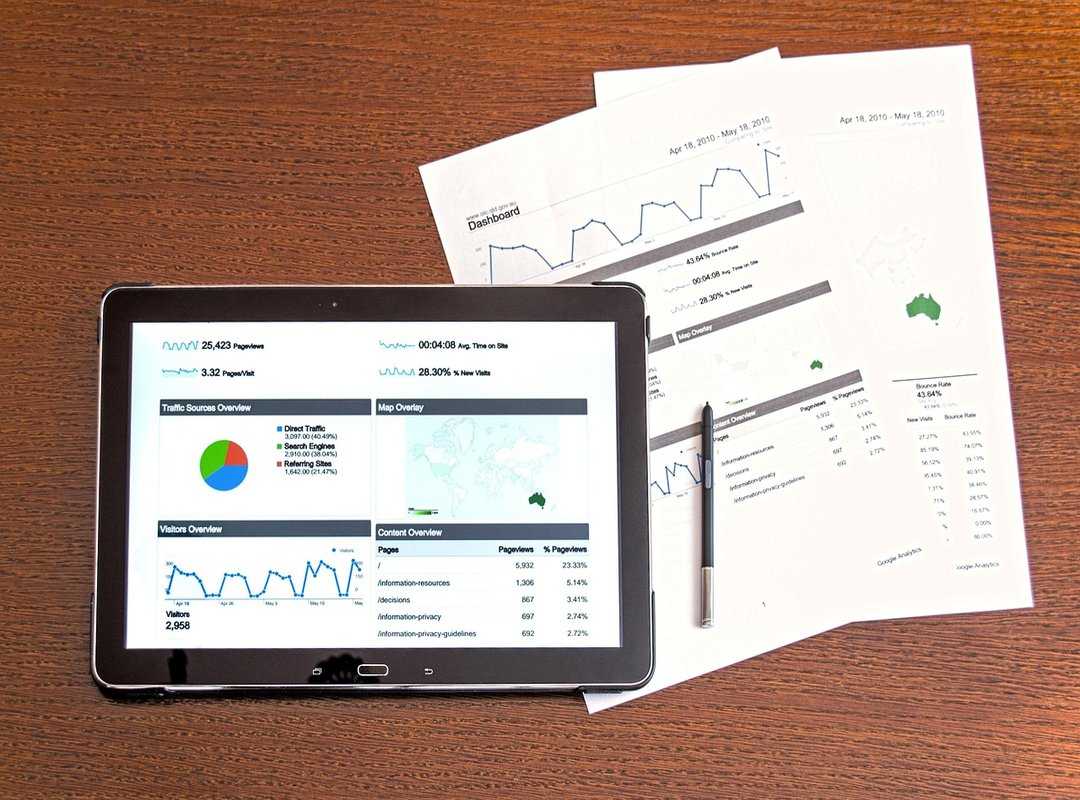
I ignore most finance reports. Most are noise.
But these five? I check them weekly. Sometimes daily.
Report A is the Liquidity Forecast Report. That buffer zone line isn’t a suggestion (it’s) your runway. If it dips below 4 days, you’re already late on planning.
False positives in the 7-day projection usually come from unrecorded payroll timing (payroll isn’t always on Friday, surprise). Override manually if your payroll hits on the 28th (not) the 30th.
Report B is Vendor Payment Efficiency. “On-time rate” sounds good. Until you realize it rewards paying on the due date. The early-payment discount capture rate tells you how much cash you’re leaving on the table.
That one matters more for working capital. Always.
Red flag phrase: “forecast variance >12%”. Green signal: “consistent 3-day payment cycle with top 3 vendors”. Action you can take in 10 minutes: adjust one vendor’s payment date in your AP system.
Same pattern applies to Reports C. E. Each has its own red flag, green signal, and micro-action.
I learned that the hard way. (You will too.)
Never compare month-over-month % change if cutoffs don’t match. Calendar month vs. banking cycle? You’ll think you’re improving when you’re just shifting dates.
Finance Roarbiznes walks through all five with real screenshots. Not theory.
Hdfc Guide Roarbiznes? Skip it. It’s outdated.
Use what works.
From Insight to Action: 15 Minutes or Less
I scan dashboards like a mechanic checks oil. Not for fun. For leaks.
Scan → spot → question → verify → act. That’s my 5-minute triage. Last Tuesday, digital payment acceptance rate dropped 12% in 90 minutes.
I wrote more about this in Trading Guide Roarbiznes.
If your digital payment acceptance rate drops 10% for two days straight, reboot the gateway config and recheck API keys. When your report shows flatlined transaction volume across three export segments, call your HDFC relationship manager and ask: “Which routing IDs were deprecated last quarter?”
Before your next board meeting, pull the settlement delay report and the chargeback reason code report side-by-side. Ask: “Are failed settlements driving chargebacks (or) is it fraud?”
I opened the UPI gateway status page. Then pulled merchant activation logs. Turns out one regional node was offline (no) alert, no email, just silence.
Export clean visuals? Toggle ‘PDF Export with Annotations’ and pick ‘Data-Only View’. No screenshots.
No cropping. Just proof.
Bookmark custom report URLs. I use ?period=Q2&segment=exports daily. Saves six clicks.
Every time.
This isn’t theory. It’s what I do before lunch. And if you’re still relying on the old Hdfc Guide Roarbiznes (stop.) This guide walks through the actual steps, not the fluff.
Your First Insight Starts Now
I’ve shown you how to skip the noise.
This isn’t about learning every button in HDFC Business Takeaways. It’s about getting Hdfc Guide Roarbiznes working for you (one) real insight, this week.
You already know your biggest challenge. Cash flow? Late payments?
Inventory drag?
Go open HDFC Business Takeaways right now. Click ‘Custom Reports’. Build one widget around that problem.
Set an alert.
That’s it. No setup marathon. No 47-step tutorial.
Most people wait for “the perfect time.” There is no perfect time. There’s only now (and) your data sitting there, waiting.
Your data already knows the answer. This guide just helps you ask the right question first.