
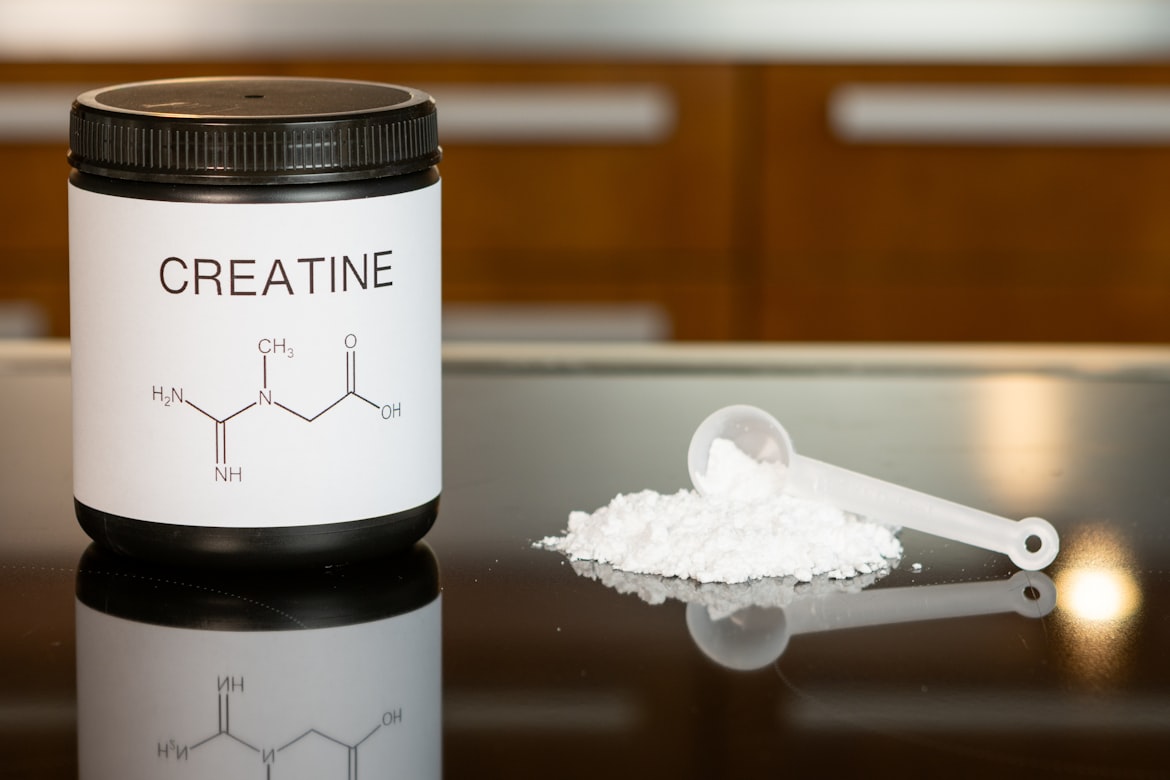
The demand for creatine supplements has led to significant advancements in their manufacturing processes. Understanding these developments and how is creatine powder made is crucial for appreciating the quality and consistency of the products available today. This article explores how creatine is produced, from raw materials to the finished supplement.
Creatine supplements have become increasingly popular due to their potential benefits for athletic performance and muscle growth. As a result, understanding the processes behind what is creatine made of is essential for both consumers and manufacturers. The production of creatine involves a series of complex steps that ensure the final product is both effective and safe for consumption. By examining these processes, we can gain insight into the meticulous efforts that go into producing high-quality creatine supplements. Many individuals also wonder what is creatine made of when evaluating different brands in the market.
The Basics of Creatine Production
The production of creatine begins with the synthesis of raw materials into a usable form. This process typically involves amino acids such as glycine and arginine, which undergo several chemical reactions to form creatine. Maintaining strict control over these processes is crucial to ensure that each batch meets quality standards, thereby safeguarding consumer health. Understanding what is creatine made of can further assure consumers of the safety and consistency of the manufacturing steps.
Consistency is a key factor in supplement manufacturing, especially for products widely used by athletes and fitness enthusiasts. Manufacturers employ rigorous testing at each stage of production to verify the purity and potency of creatine. By adhering to standardized procedures for how is creatine made, companies can deliver supplements that consistently meet consumer expectations for effectiveness and safety. Additionally, comprehending what is creatine made from emphasizes the importance of selecting top-quality starting materials.
The chemical synthesis process of how is creatine made typically begins with sarcosine and cyanamide as the primary reactants, which combine under controlled conditions to form creatine monohydrate. Temperature regulation and pH balance are critical factors throughout this synthesis, as even minor deviations can affect the molecular structure and purity of the final product. Modern manufacturing facilities utilize automated systems to monitor these parameters in real-time, ensuring optimal reaction conditions are maintained throughout the production cycle. This level of precision helps minimize waste and maximizes yield, contributing to both environmental sustainability and cost-effectiveness in the manufacturing process. For those curious about what is creatine made from, these core components highlight the intricate chemical pathways involved.
Advancements Improving Efficiency and Quality
Recent technological advancements have significantly enhanced manufacturing processes, directly addressing how is creatine powder made with greater efficiency than ever before. Techniques such as high-efficiency liquid chromatography (HPLC) allow for precise analysis of raw materials, ensuring that only the highest quality ingredients are used. This technology streamlines the purification process, reducing impurities and enhancing product quality.
Another innovative method for how is creatine made involves microencapsulation, which protects creatine molecules from degradation during storage and consumption. This technique enhances the stability and bioavailability of the supplement, providing consumers that are wondering what is creatine made of with a more potent product. These advancements not only improve manufacturing efficiency but also elevate the overall consumer experience by offering superior supplements. Such scientific progress answers questions about how is creatine powder made, demonstrating ongoing improvements that benefit consumers.
Balancing New and Traditional Methods
While new technologies revolutionize production, many manufacturers balance them with traditional methods for what is creatine made of to ensure product integrity. For instance, time-tested fermentation processes are still employed alongside modern techniques to optimize yield and quality. This approach allows producers to leverage the best of both worlds, maintaining a high standard of excellence. Consumers often wonder how is creatine made while still preserving the integrity of time-tested manufacturing approaches.
Research and development play a crucial role in this balance, driving innovation while respecting established practices. Manufacturers continuously invest in R&D to explore new possibilities for how is creatine powder made from raw materials. This commitment to innovation is vital for staying competitive and meeting evolving consumer demands for effective and reliable supplements. Ongoing investigations into how is creatine made continue to propel innovation in the supplement sector.
Impact on Market Trends and Future Developments
The impact of innovative manufacturing techniques in what is creatine made of extends beyond the factory floor, influencing market trends and consumer preferences. As more efficient processes reduce costs and improve quality, creatine supplements become more accessible to a broader audience. This shift can lead to increased demand and a dynamic market landscape.
Looking ahead, continued advancements in how creatine is made could introduce even more refined products that cater to specific consumer needs. Whether through enhanced formulations or novel delivery systems, future developments promise exciting possibilities for both manufacturers and consumers alike. As these trends unfold, staying informed about innovations will be key for those invested in the supplement industry.