
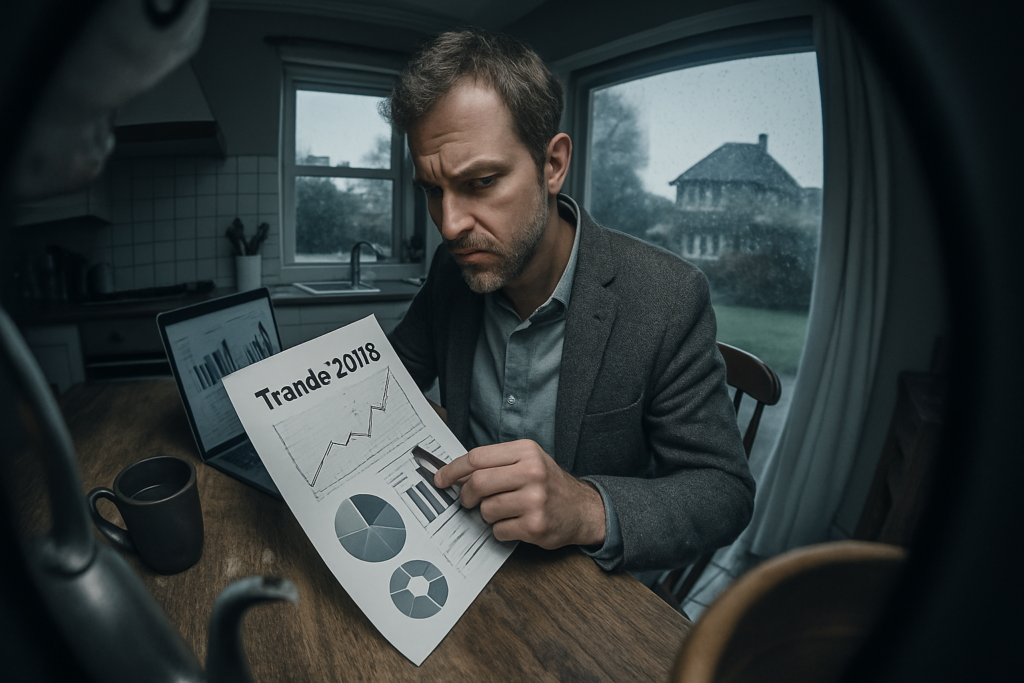
AI Driven Decision Making Levels Up
Business intelligence isn’t crawling anymore it’s sprinting. AI has evolved from a nice to have dashboard add on to the core of how companies make decisions. In 2026, the edge belongs to those using AI not just for analysis, but for action. Real time forecasting is trimming guesswork. Algorithms are flagging supply chain issues before they hit. Predictive tools are helping teams spot trends, test pricing, and run campaigns with tighter margins and faster returns.
Companies aren’t just saving time. They’re unlocking new doors. Smart automation is shifting human effort from maintenance to strategy. Manual data pulls, weekly reports, even entry level forecasting tasks gone or radically simplified. This means leaner ops and smarter spends.
Leading the pack: finance firms running fraud checks and portfolio analysis in microseconds; logistics companies re optimizing delivery networks daily; and retail brands turning browsing behavior into dynamic product suggestions almost instantly.
It’s not about future proofing anymore. Smart businesses are already using AI to cut waste and find money hiding in plain sight.
Hyper Personalization Becomes Standard
Digital markets in 2026 aren’t aiming for the crowd they’re aiming for you. One person. One screen. One customized experience. That’s the level of precision brands are betting on, and the numbers back it up. The days of mass targeted campaigns are fading. What’s replacing them? Micro targeted, data powered interactions that feel more like recommendations than marketing.
But here’s the catch: permission matters. Consumers are savvier. They expect transparency on how their data is used. Companies that get consent right and use data responsibly are the ones seeing better engagement and trust.
At the core of this shift is dynamic content. Instead of a one size fits all message, businesses are using real time data to tailor what users see, when they see it, and how it’s delivered. That means different homepages, product offers, or emails based on behavior, timing, and need. Static content can’t compete. It doesn’t flex. It doesn’t respond. And most of all, it doesn’t convert the way dynamic content does.
Remote Work: Now a Strategic Advantage
The novelty of remote work is long gone. What started as a temporary fix has shifted into the foundation of modern operations. In 2026, global teams aren’t the exception they’re the playbook. Companies that treat a distributed workforce as a strategic asset are pulling ahead fast.
The key shift? Businesses are moving from remote tolerance to remote optimization. It’s not just about letting people work from anywhere it’s about making anywhere work better. This means rethinking workflows, hiring across time zones intentionally, and creating digital first cultures where communication and accountability are built in.
Tech stacks are evolving to meet the moment. Tools like asynchronous video updates, real time collaborative platforms, and AI powered project management solutions are making globally distributed teams faster, clearer, and more aligned than ever. It’s not about mimicking the office it’s about beating what the office could do.
Leaders investing here aren’t asking how to survive with remote teams anymore. They’re asking: how can we thrive at scale, without borders?
Blockchain for Business Finally Going Mainstream

Forget the crypto hype. Blockchain’s real value in 2026 isn’t in coins it’s in contracts, chains, and security. Smart contracts are eliminating middlemen, cutting down settlement times, and letting companies lock in trust without lawyers. Real time supply chain tracking, backed by immutable ledgers, is making every shipment traceable and every supplier accountable. And as data breaches keep making headlines, more businesses are using blockchain to tighten access and protect customer data with zero knowledge proofs and decentralized identity systems.
Implementation isn’t theory anymore either. Major logistics firms are using blockchain to trace goods from factory floor to front door. Energy companies are securing carbon credits and power exchanges with transparent smart contracts. Even healthcare startups are storing patient data using decentralized models that meet compliance without compromising control.
The old barriers scalability, cost, regulation are cracking. Layer 2 solutions and private chains are bringing performance gains, while global regulators are moving from confusion to cohesion. Standards are emerging, and infrastructure is catching up. For businesses, the message is clear: blockchain is becoming less of a risk and more of a competitive edge.
Sustainability Goes From PR to Core Strategy
The days of greenwashing are done. ESG isn’t a marketing checkbox anymore it’s a business mandate. Investors want hard data. Consumers expect ethics that go beyond slogans. Whether you’re a startup or a Fortune 100, if you can’t show progress in sustainability, you’re already falling behind.
Big players are investing in circular models that cut waste and extend product life cycles. Think retailers taking back used goods for resale or repurposing, manufacturers designing products to be disassembled and reused, and tech platforms offsetting carbon footprints at every step. But it’s not just the giants. Small businesses are finding edge in sustainable packaging, local sourcing, and zero waste operations.
Frameworks like the Ellen MacArthur Foundation’s circular economy model or ESG standards from SASB and GRI give companies structure. But success always comes down to execution. Leaders who bake sustainability into strategy rather than tacking it on after the fact are the ones building relevance, loyalty, and resilience for the long haul.
Explore real world examples and practical strategies in the guide: Sustainability strategies every exec should know.
Digital Marketplaces as Growth Hubs
Big platform fatigue is real. Brands and buyers alike are turning to niche marketplaces that speak directly to specific industries, audiences, or values. Think of platforms dedicated to eco friendly materials, minority owned B2B vendors, or indie tech innovators. They may be smaller in scale but they punch above their weight when it comes to conversions and buyer intent.
At the same time, B2B marketplaces are going global faster than ever. From procurement in Southeast Asia to logistics hubs in Africa, cross border functionality is no longer a premium feature it’s table stakes. Tools that bridge compliance, payment, and shipping gaps are giving even middle market sellers global reach.
What’s emerging fast: performance based discovery. Buyers aren’t just scrolling through endless product pages they’re seeing what sells, surfaces in trends, or scores high engagement. Sellers who optimize for visibility this way using data, feedback, and platform native promotion tools are winning without having to spend like the big guys.
For companies, the signal is clear: don’t just “show up” online play where your market is tight, your message is strong, and your metrics work for you.
What Businesses Can’t Ignore Next
The digital market isn’t slowing down it’s getting smarter, faster, and more entangled. Data lives everywhere now: in apps, wearables, cloud workflows, and smart devices. That gives businesses reach, but it also paints a big target. Protecting data in this hyper connected landscape isn’t just technical it’s strategic. If your system leaks or stalls, you lose customer trust, brand equity, and a seat at the table. Security infrastructure should move with the same agility as product and marketing.
Add to that the rise of AI powered competition. Algorithms don’t sleep and they’re eating up market share from teams that don’t adapt fast. Winning here doesn’t mean deploying the flashiest tech. It’s about being nimble, learning fast, and building systems that can flex without falling apart. The companies thriving in 2026 aren’t the biggest they’re the ones that saw change coming and moved early.
But here’s the kicker: with all the bots and automation out there, authenticity still cuts through. If your brand doesn’t sound like a human, people tune out. Even in a metrics driven space, stories, values, and voice matter. So keep your edge sharp be intentional, act fast, and don’t lose the human behind the business.
Keep watching the edge digital markets in 2026 favor those who move intentionally, act fast, and think sustainably.
Revisit your sustainability game plan here:
Sustainability strategies